I've worked with agencies in Cabarete and across the North Coast long enough to see the same patterns repeat. This is what's actually going wrong, and what you can do about it.
The real problem isn't your website. It's your strategy.
When an agency calls me, the conversation usually starts the same way: "We're not getting leads from our website." After a few questions, the picture becomes clear. They have a site. They might even have an SEO manager. But the traffic isn't coming — and the leads definitely aren't.
Here's what I find almost every time: the agency has an SEO manager who is technically doing their job — publishing content, building some links, maybe tweaking meta tags. But the agency doesn't know what to ask for, so they never ask for the right things. The SEO manager optimizes for the keywords they know, not the keywords international buyers actually use when searching for property in Cabarete.
Nobody searched "venta de villas en Cabarete" from Toronto. They searched "beachfront property for sale Dominican Republic" or "real estate investment Cabarete North Coast." The gap between what the site targets and what the buyer searches is where the leads disappear.
The three SEO gaps I see most often1. No keyword research based on the actual buyer
Most North Coast agency websites are optimized for Dominican buyers or for no one in particular. The international buyer — from Canada, the US, Germany, France, the Netherlands — uses different search terms, in English, with different intent.
A keyword like "real estate Cabarete" gets searched. "Luxury villas for sale Cabarete Dominican Republic" gets searched. "Buy property North Coast DR" gets searched. Most agency sites don't rank for any of them.
The fix isn't complicated. It requires sitting down, researching what your actual target buyers type into Google, and building your content around those terms — not the terms that sound right in Spanish.
2. Weak technical foundation
Most real estate websites on the North Coast were built once and haven't been touched since. They're slow on mobile, not properly indexed by Google, and missing basic technical signals that tell Google what the site is about and who it serves.
A few months ago I was reviewing a North Coast agency's website during an initial consultation. They were using Houzez — the same real estate theme I use for my clients — but running version 1.4.2. My current installation was on 3.4.1. I pulled up both side by side and showed them the difference without saying a word. They had 20+ outdated plugins, a missing CRM integration that Houzez includes natively, and when I ran a deeper audit later, I found injected backlinks from gambling sites embedded in their footer code — a classic sign of a compromised site that nobody had maintained in years. The person managing their website had been "maintaining" it in name only.
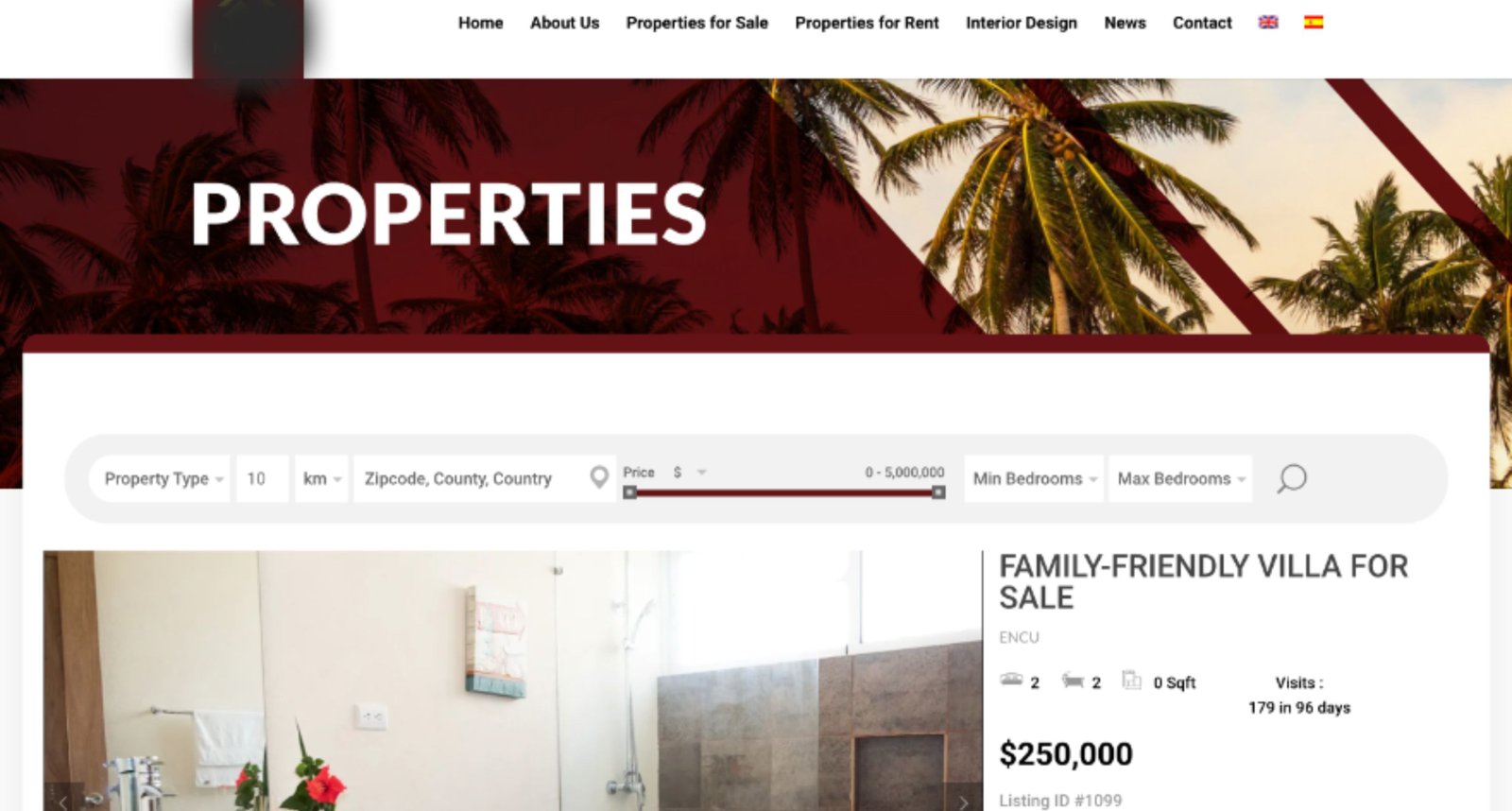
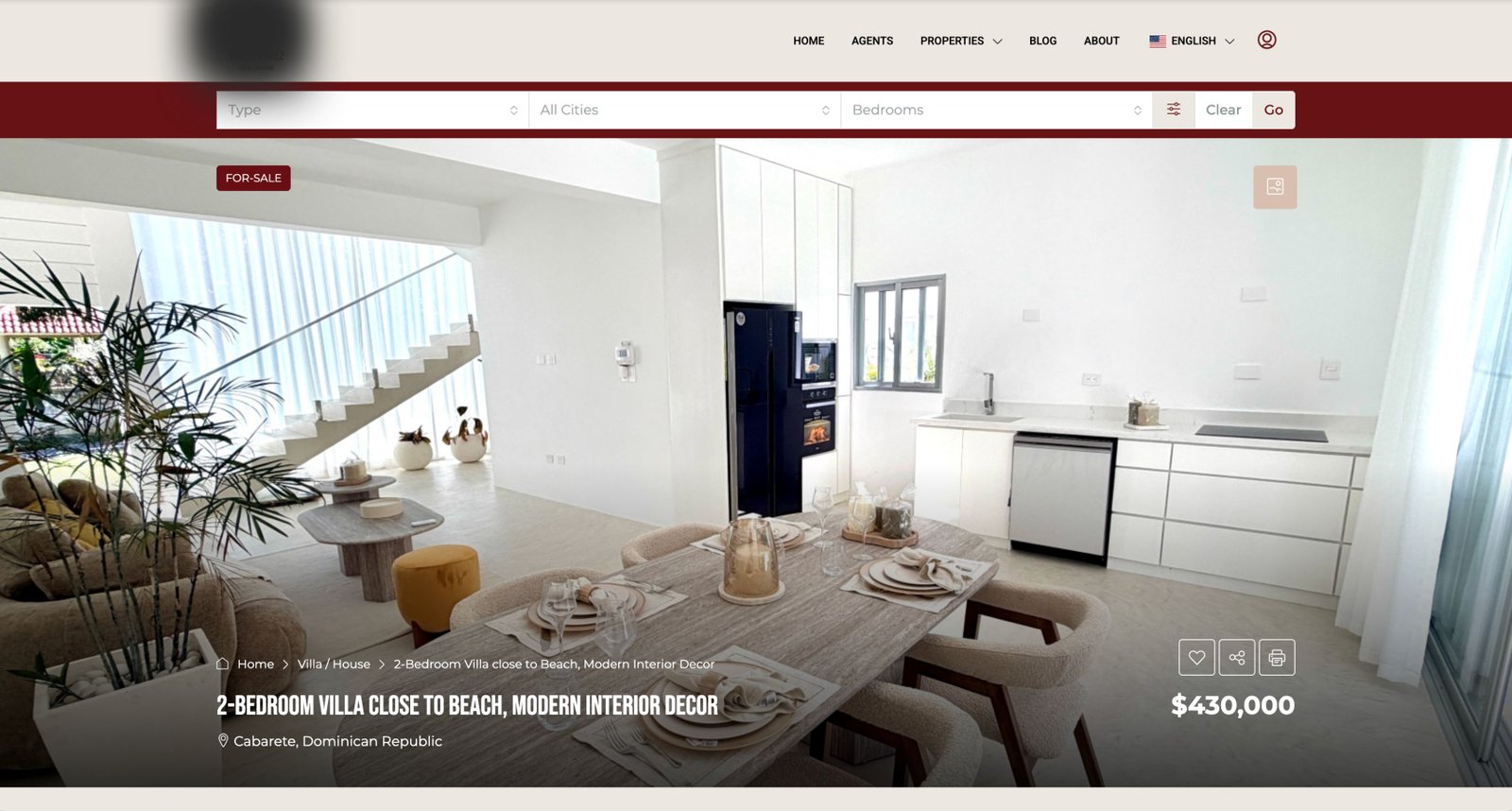
One agency I've seen do this consistently well is RealtorDR — their technical foundation is solid, their content is structured around the right keywords, and their local SEO signals are clean. That's not an accident. That's deliberate work.
3. Listings without SEO
This is the one that costs agencies the most. Every property listing is a potential landing page for Google. A listing with a keyword-rich title, a well-written description that includes location terms and property features, and proper image alt text has a chance of ranking in Google search.
Most agencies let agents upload listings however they want — no standards, no keyword framework, no consistency. The result is hundreds of pages that Google ignores because they look like thin, duplicate content.
A simple listing template with SEO guidelines for agents — what to write in the title, how to describe the location, what to include in the description — can transform a listing portfolio into an organic traffic engine over time.
What actually works on the North Coast
The North Coast is a specific market with specific buyers. International investors and lifestyle buyers who find Cabarete through Google are high-intent — they've already decided they want property in the Caribbean. They're researching actively. If your site shows up when they search, and your content speaks their language (literally and figuratively), the conversation starts.
The agencies that win in this market do three things consistently:
First, they publish content in English targeting the searches their international buyers make — neighborhood guides, market updates, investment guides, buyer FAQs.
Second, they treat every listing as an SEO asset — not just a property card, but a page designed to rank for the specific search a buyer might do for that type of property in that location.
Third, they invest in local SEO signals — Google Business Profile, local citations, and backlinks from relevant directories and real estate portals that give Google confidence that the business is real, established, and located where it says it is.
None of this is complicated. All of it requires consistency.
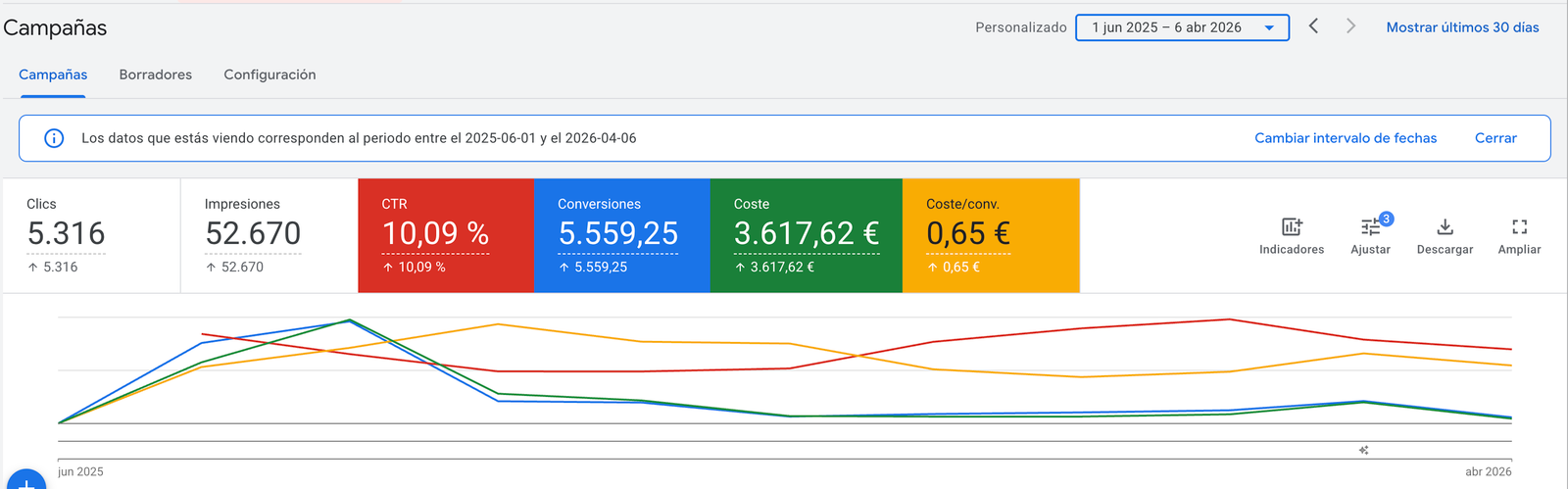
A practical starting point
If you're an agency in Cabarete reading this and wondering where to start, here's what I'd prioritize:
Claim and fully optimize your Google Business Profile if you haven't already. It's free, it takes an afternoon, and it's the fastest path to appearing in local search results and Google Maps.
Then audit your five most important listing pages. Do they have descriptive titles with location keywords? Do they have well-written descriptions in English? Do the images have descriptive alt text? Fix those five pages and you'll start to understand the pattern — then apply it across the rest.
If you want a full audit of your current online presence — what's working, what isn't, and what to fix first — reach out. No pitch. Just a clear diagnosis.